
Home

Resources
Resources
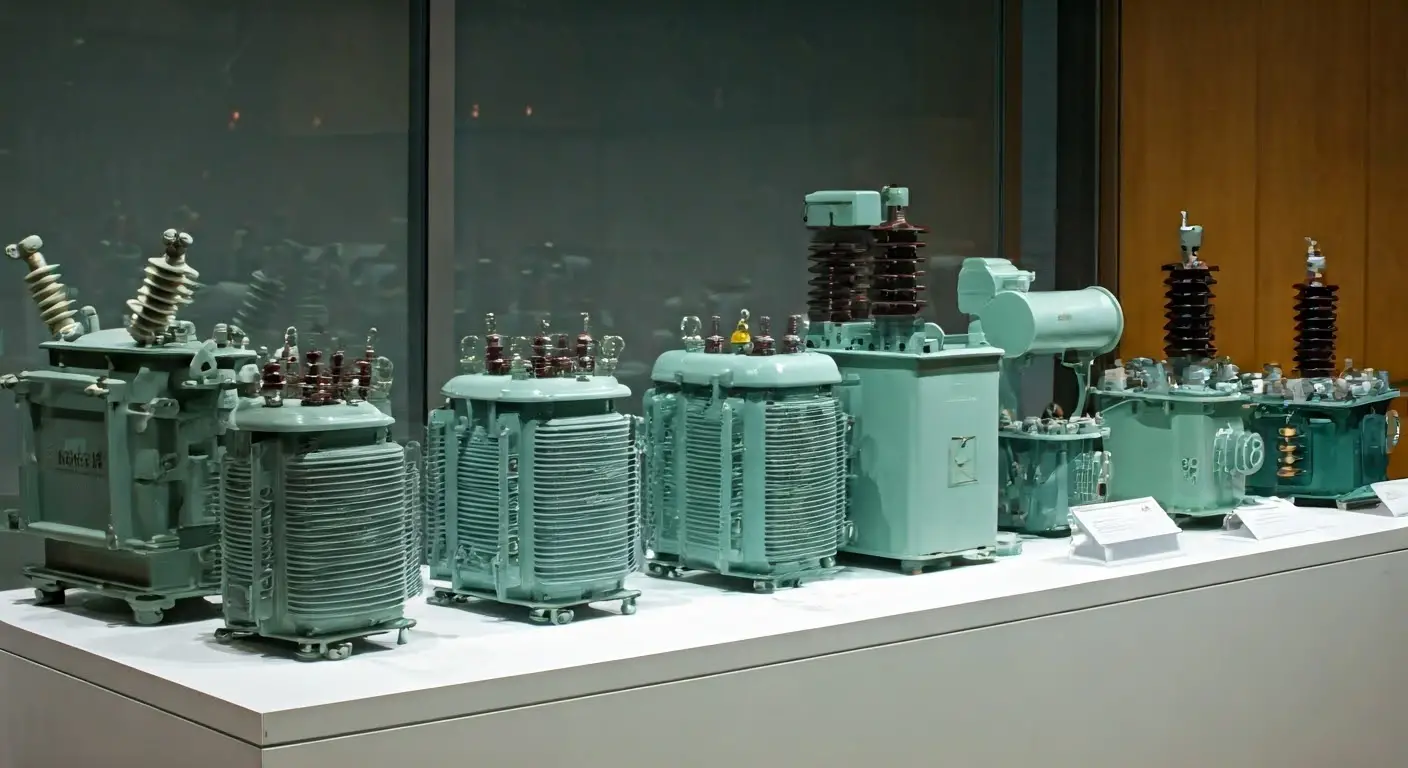
Understanding Transformer Types
Explore various transformer types and their uses.
Transformers are crucial in electrical systems, helping to step up or step down voltage levels. Common types include power transformers, which handle high voltages, and distribution transformers, used in local networks. Cast resin transformers are popular for their durability and low maintenance, while ultra isolation transformers minimize electrical noise. Enclosed transformers protect sensitive components from environmental factors. High Voltage (HV) Step-Up transformers increase voltage for transmission, and HV Trigger transformers are vital for igniting discharge in various applications. Water-cooled transformers are efficient in high-load scenarios, whereas super conducting transformers offer reduced energy loss. Understanding these transformers can guide users in selecting the right type for their needs.
The Role of Electromagnets
Discover how electromagnets function and their applications.
Electromagnets are essential components in many electrical systems, consisting of a coil of wire that generates a magnetic field when an electric current passes through it. They are used in various applications, including electric motors, generators, and magnetic locks. Accessories such as cores and coils enhance their efficiency and effectiveness. Electromagnets can be temporary or permanent, depending on their use. They are crucial in industries ranging from manufacturing to telecommunications. Understanding the principles behind electromagnets helps in selecting the right type for specific applications, ensuring optimal performance and reliability in operations.
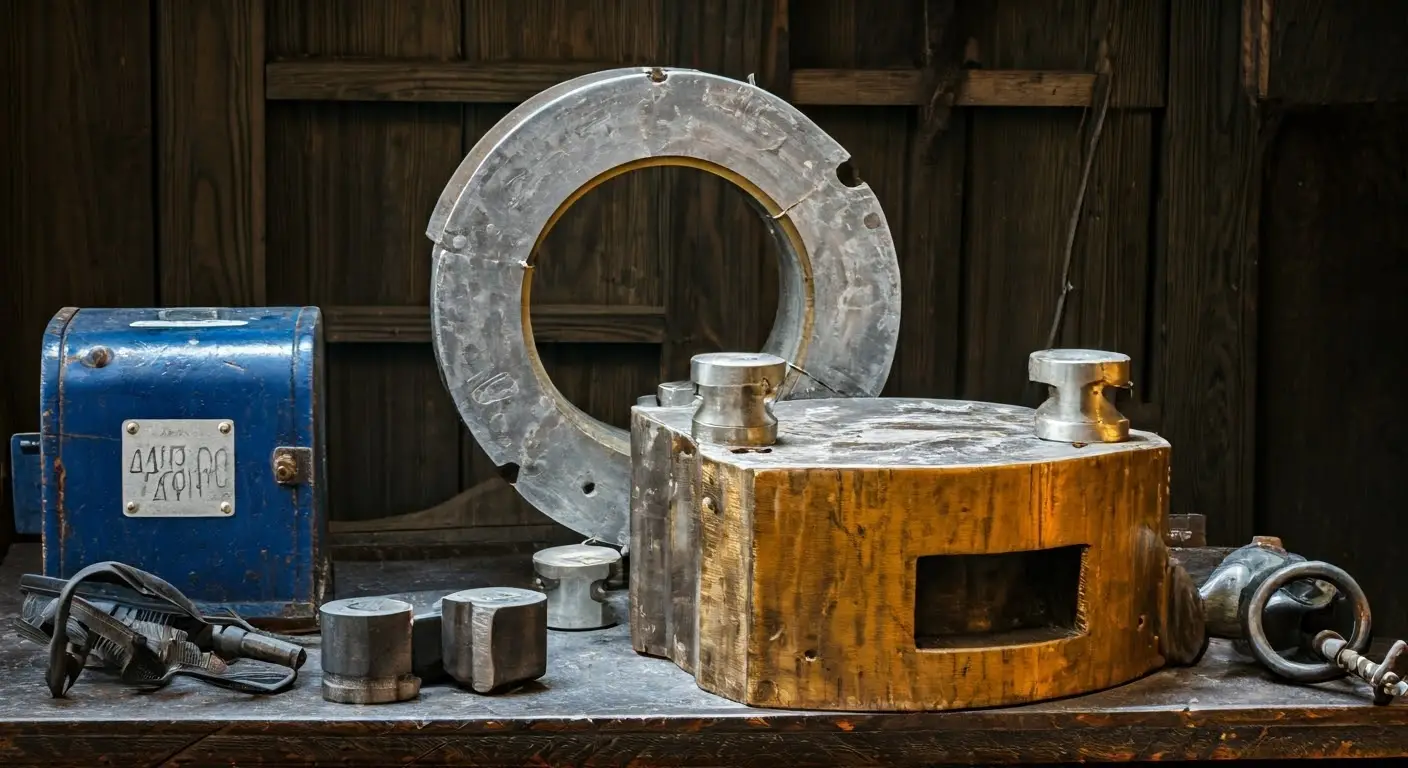
Innovations in Electrical Control Systems
Learn about advanced control systems for electrical applications.
Control systems play a vital role in managing electrical devices and ensuring efficient operation. Modern innovations include programmable logic controllers (PLCs) and distributed control systems (DCS), which enhance automation in industrial settings. These systems allow for real-time monitoring and adjustments, improving energy efficiency and operational reliability. With advancements in technology, control systems now incorporate IoT devices, enabling remote management and data analysis. Understanding these innovations helps businesses optimize their electrical systems, leading to improved productivity and reduced costs.
Water Cooled vs. Conventional Transformers
Compare water cooled and conventional transformers.
Transformers are essential for voltage conversion in electrical systems, and they come in different types, including conventional and water-cooled designs. Conventional transformers rely on air cooling and are suitable for standard applications. In contrast, water-cooled transformers are designed for high-capacity situations, offering better heat dissipation and efficiency. They are ideal for industries with heavy electrical loads, such as manufacturing and data centers. Understanding the differences between these transformers helps in selecting the right one based on operational needs, ensuring optimal performance and longevity.
Frequently Asked Questions
Mon - Sat 10:00AM - 10:00PM
© D & S Electric Works 2025